Expeditions Ama Dablam: A Complete Himalayan Climbing Adventure in Khumbu Region Nepal
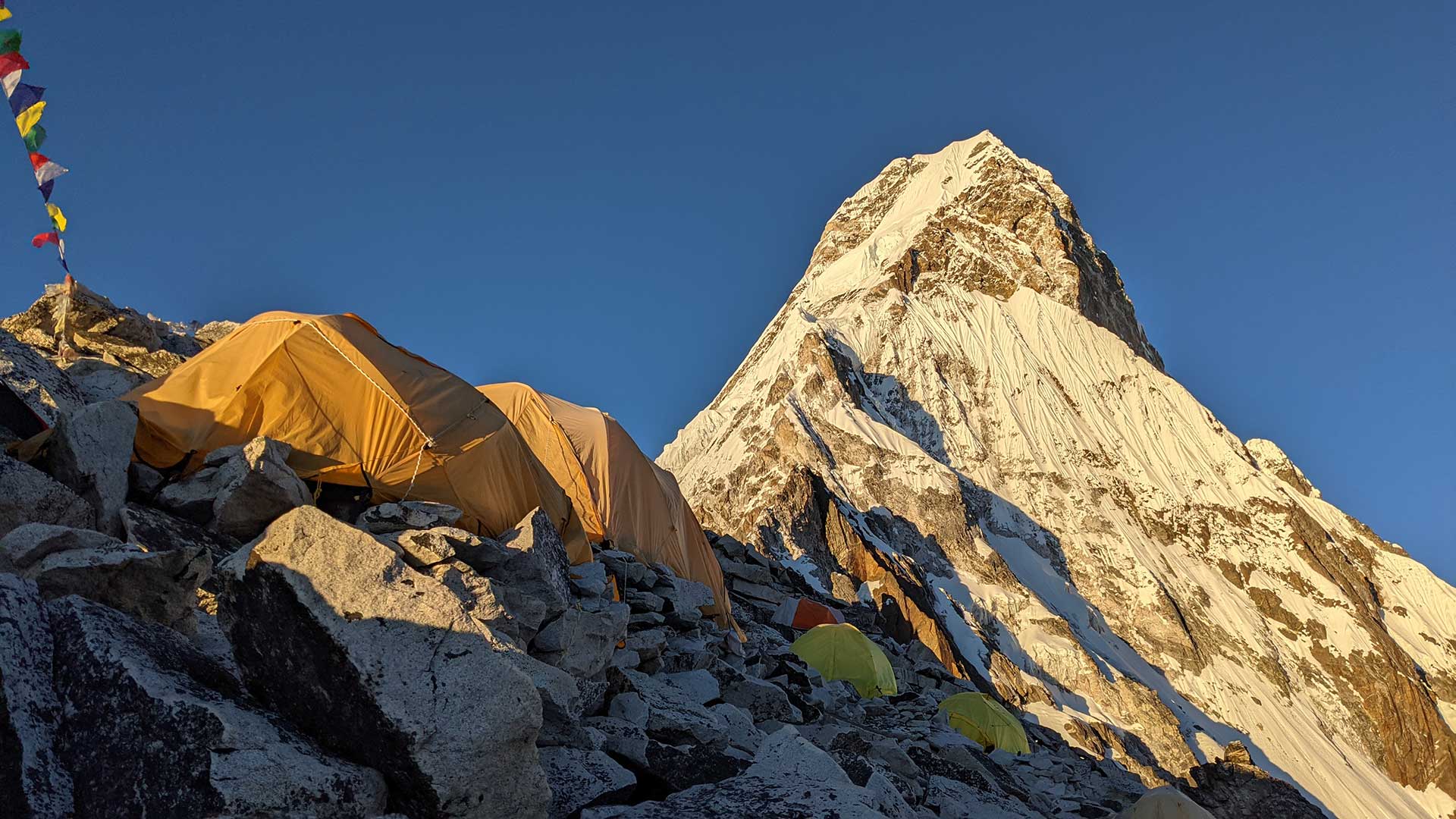
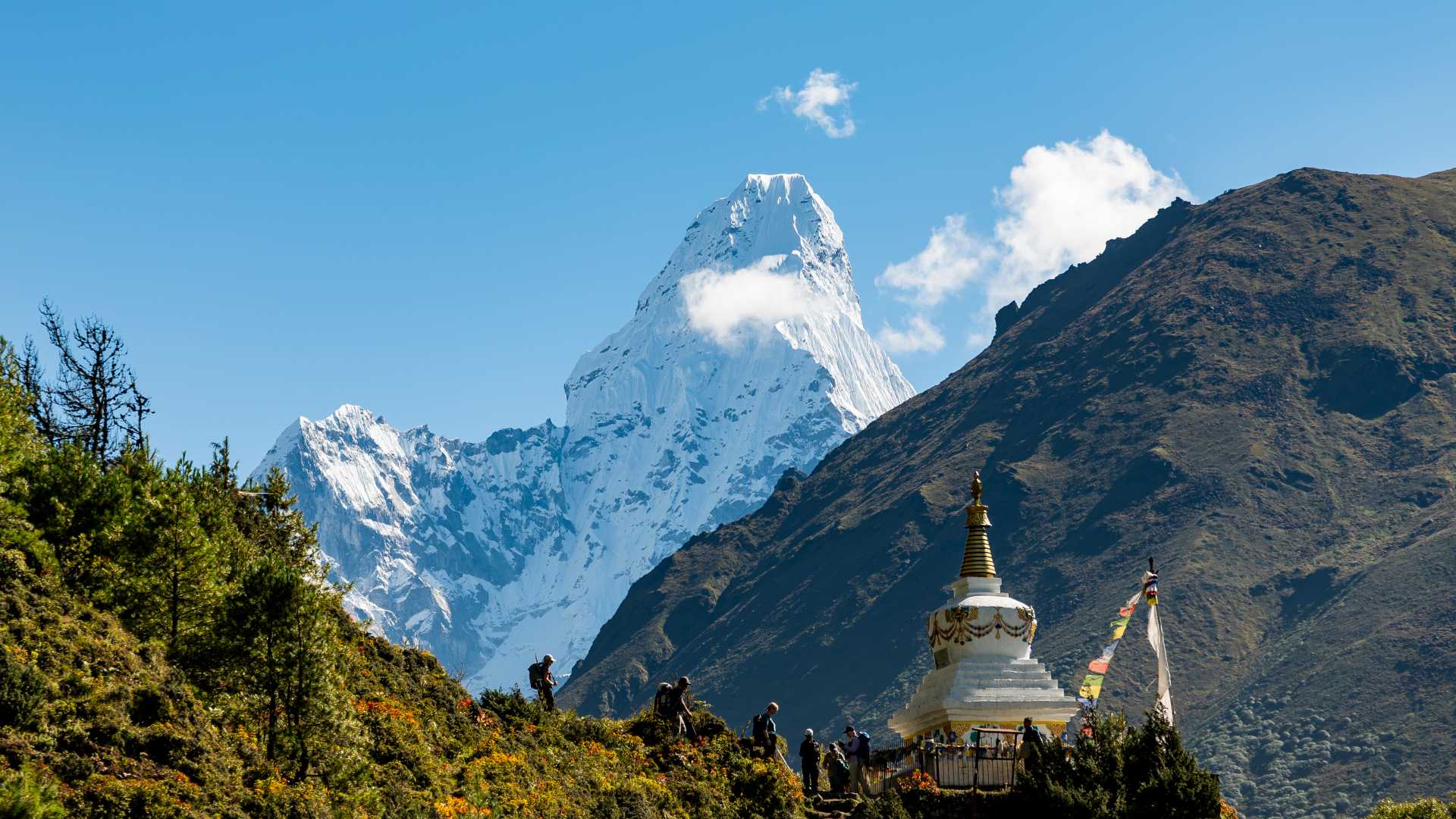
The Ama Dablam Expedition is one of Nepal’s most sought-after Himalayan climbing adventures, offering experienced mountaineers the opportunity to climb the iconic Ama Dablam (6,812 m / 22,349 ft) in the Everest region. Famous for its distinctive pyramid-shaped summit, dramatic ridges, steep snow and ice slopes, and spectacular Himalayan surroundings, Ama Dablam is widely recognized as a technically demanding and visually remarkable mountain in Nepal. For climbers searching for an unforgettable Ama Dablam climbing expedition in Nepal, this expedition combines high-altitude mountaineering, technical climbing, Sherpa expertise, acclimatization, and professional expedition logistics.
Located in the Khumbu region of Nepal, Ama Dablam rises dramatically above the Everest trekking corridor and offers magnificent views of some of the world’s highest mountains. The journey to the mountain typically begins with a flight to Lukla followed by trekking through legendary Sherpa settlements, including Namche Bazaar and Tengboche, before reaching the Ama Dablam Base Camp. This approach provides essential acclimatization while allowing climbers to experience the unique landscapes, culture, monasteries, glaciers, and mountain communities of the Everest region. For international climbers, the approach itself becomes an important part of the overall Ama Dablam expedition experience.
What makes the Ama Dablam Expedition particularly attractive is its combination of trekking and advanced mountaineering. Unlike a standard Himalayan trek, climbing Ama Dablam requires strong physical conditioning, previous high-altitude experience, technical climbing skills, and the ability to move safely on steep snow, ice, rock, and mixed terrain. Climbers may encounter fixed ropes, ladders, exposed sections, crampon travel, ice climbing, and demanding summit-day conditions. Therefore, proper preparation, acclimatization, technical training, and experienced mountain guides are essential components of a responsible Ama Dablam climbing expedition.
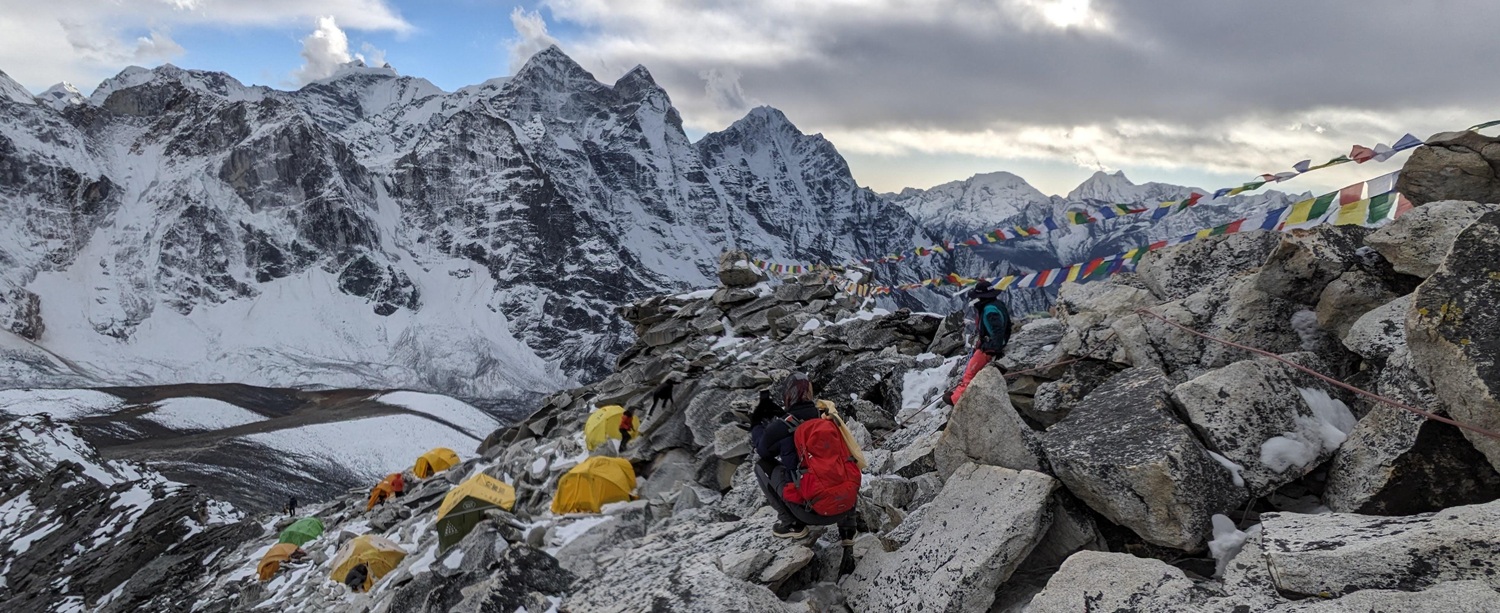
A professionally organized expedition also places significant emphasis on high-altitude safety and expedition logistics. Acclimatization rotations, climbing equipment, Sherpa support, fixed ropes, high camps, oxygen and emergency planning where applicable, weather monitoring, food, accommodation, permits, transportation, and communication systems all contribute to the overall expedition structure. Experienced Sherpa guides play an important role by providing local mountain knowledge, route familiarity, climbing assistance, and logistical support throughout the expedition. Choosing a professional and experienced expedition operator can therefore make a significant difference in how climbers prepare for and manage the challenges of Expeditions Ama Dablam.
The best time for an Ama Dablam Expedition in Nepal is generally during the established autumn and spring climbing seasons, when Himalayan weather conditions can provide suitable windows for high-altitude climbing. However, mountain weather remains unpredictable, and summit opportunities depend on conditions such as wind, snowfall, temperature, visibility, route conditions, and overall mountain safety. Climbers planning an Ama Dablam Expedition 2027/2028 should begin preparation well in advance, particularly regarding physical fitness, technical mountaineering skills, equipment, permits, travel arrangements, and acclimatization strategy.
For climbers looking for a technical Himalayan expedition in Nepal, Ama Dablam offers a distinctive challenge beyond conventional trekking and peak climbing. Its steep climbing sections, high altitude, iconic summit ridge, and spectacular Everest-region environment create an expedition that demands commitment, preparation, teamwork, and sound decision-making. Whether you are researching how difficult Ama Dablam is, how to prepare for Ama Dablam, the best time to climb Ama Dablam, Ama Dablam expedition cost, Ama Dablam itinerary, required climbing experience, or Ama Dablam expedition booking for 2027/2028, understanding the mountain and its requirements is the first step toward a successful adventure.
With careful preparation, professional logistics, experienced Sherpa leadership, and a safety-focused approach, the Ama Dablam Expedition can become one of the most rewarding high-altitude mountaineering experiences in Nepal. From the legendary trails of the Khumbu to the challenging slopes of Ama Dablam, the expedition combines Himalayan culture, breathtaking scenery, technical climbing, and the pursuit of a spectacular Himalayan summit.
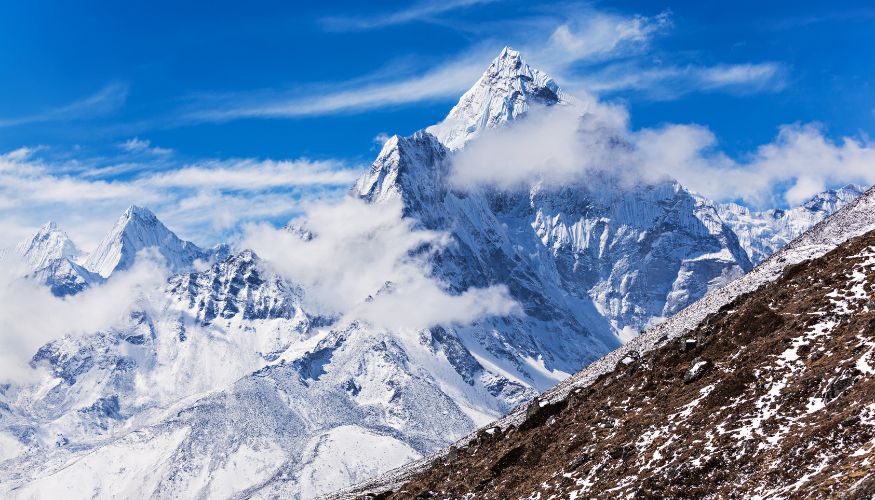
What I Wish I Knew Before the Ama Dablam Expedition: Complete Preparation Guide
An Ama Dablam Expedition is far more than simply reaching a 6,812-meter summit. Ama Dablam is a technically demanding Himalayan mountain in Nepal’s Khumbu region, requiring a combination of physical endurance, technical climbing ability, high-altitude experience, acclimatization, equipment knowledge, weather awareness, and disciplined decision-making. The official Ama Dablam Expeditions program describes the mountain as a demanding objective suited to climbers with solid high-altitude experience, with its standard program incorporating acclimatization, technical preparation, climbing rotations, and contingency planning.
If you are researching Ama Dablam Expedition 2027/2028, Ama Dablam climbing in Nepal, Ama Dablam expedition difficulty, Ama Dablam preparation, Ama Dablam climbing experience, Ama Dablam expedition itinerary, Ama Dablam cost, Ama Dablam Base Camp, or how to climb Ama Dablam, there are several important realities worth understanding before committing to the expedition.
1. Ama Dablam Is Not a Normal Trekking Peak
The first thing I would want to know before an Ama Dablam climbing expedition is that this is not simply a difficult trek with a summit at the end. Ama Dablam reaches 6,812 meters / 22,349 feet, and its terrain involves steep climbing, exposed sections, snow and ice, rock, fixed ropes, and high-altitude movement. The official expedition information specifically describes it as technically demanding and recommends solid high-altitude experience.
This distinction matters because trekking fitness alone does not automatically translate into climbing ability. A person who can comfortably complete the Everest Base Camp Trek may still need substantial additional preparation before attempting Ama Dablam.
2. Physical Fitness Is Only One Part of Preparation
Strong cardiovascular fitness, leg strength, core strength, endurance, and recovery ability are important, but Ama Dablam preparation should go beyond general fitness.
You should also prepare for carrying equipment, walking for long hours at altitude, climbing steep terrain, moving efficiently while wearing crampons and harnesses, ascending fixed ropes, and maintaining concentration when tired.
A useful preparation strategy should therefore combine aerobic conditioning, uphill training, strength training, loaded hiking, endurance sessions, and technical mountaineering practice. The goal is not simply to become stronger but to become efficient at sustained movement in a demanding mountain environment.
3. Technical Climbing Skills Matter
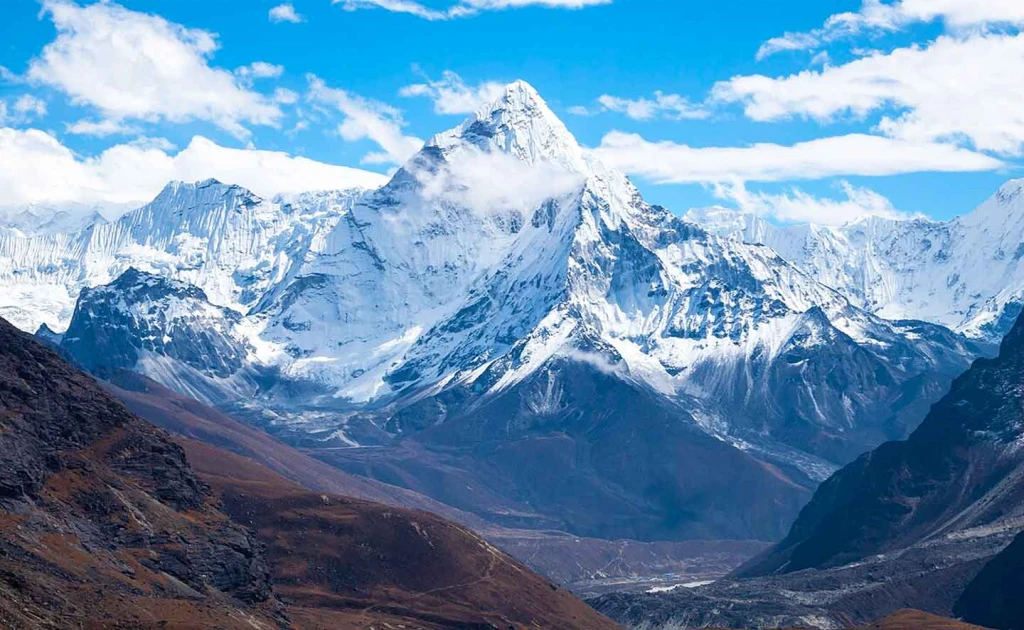
One of the biggest things climbers should understand before an Ama Dablam Expedition in Nepal is the importance of technical skills. Ama Dablam involves terrain where knowledge of crampons, ice axe techniques, rope systems, ascending and descending fixed ropes, rappelling, climbing movement, and glacier or snow travel can become essential.
You should arrive with relevant skills rather than expecting to learn everything after reaching Base Camp. Base Camp training can refine and reinforce techniques, but it should not be treated as a substitute for fundamental mountaineering experience.
4. Previous High-Altitude Experience Is Valuable
Ama Dablam Expeditions offers different programs, but its standard expedition is positioned toward climbers with established high-altitude experience. Its Rapid Ama Dablam Expedition is even more specifically designed for experienced alpinists with prior 6,000–7,000-meter climbing experience, strong fitness, and technical competence.
This is an important distinction when choosing between a standard and rapid itinerary. A shorter schedule should not automatically be interpreted as an easier expedition. The rapid program is intended for climbers who already have the experience and physical capacity to operate efficiently at altitude.
5. Acclimatization Is Not Wasted Time
Before an Ama Dablam Expedition, I would want to understand that acclimatization days are part of the climbing strategy, not unnecessary rest days.
The standard itinerary progressively moves from Kathmandu to Lukla, Phakding, Namche Bazaar, Tengboche/Deboche, Dingboche, and then Ama Dablam Base Camp. It includes dedicated acclimatization periods at Namche and Dingboche before reaching Base Camp.
At Base Camp, the expedition then progresses through climbing rotations, including movement toward Camp I and Camp II before the summit attempt.
Understanding this progression helps explain why a seemingly long expedition itinerary may actually be carefully structured around altitude adaptation.
6. The Summit Is Only One Part of the Expedition
A common mistake is to think primarily about summit day. In reality, an Ama Dablam expedition begins months before arrival in Nepal.
Training, equipment selection, travel arrangements, permits, insurance, medical preparation, technical practice, acclimatization, weather monitoring, climbing rotations, nutrition, hydration, sleep, recovery, and contingency planning all contribute to the expedition.
The official Ama Dablam programs include dedicated preparation, acclimatization, climbing rotations, and contingency days because mountain conditions can require itinerary changes.
7. You Need to Understand Ama Dablam's Camp System
Another important thing to know beforehand is how the expedition progresses through the mountain.
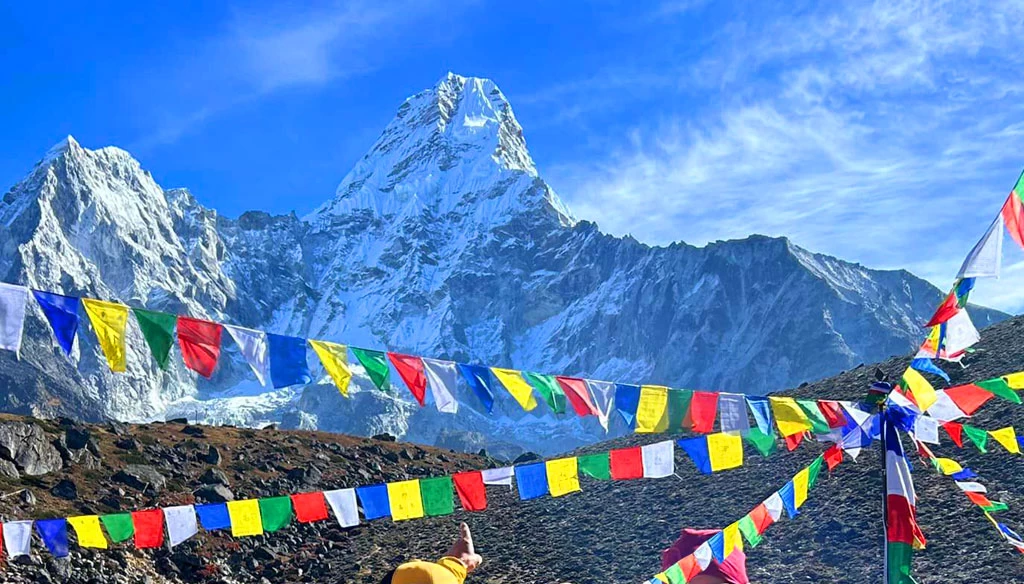
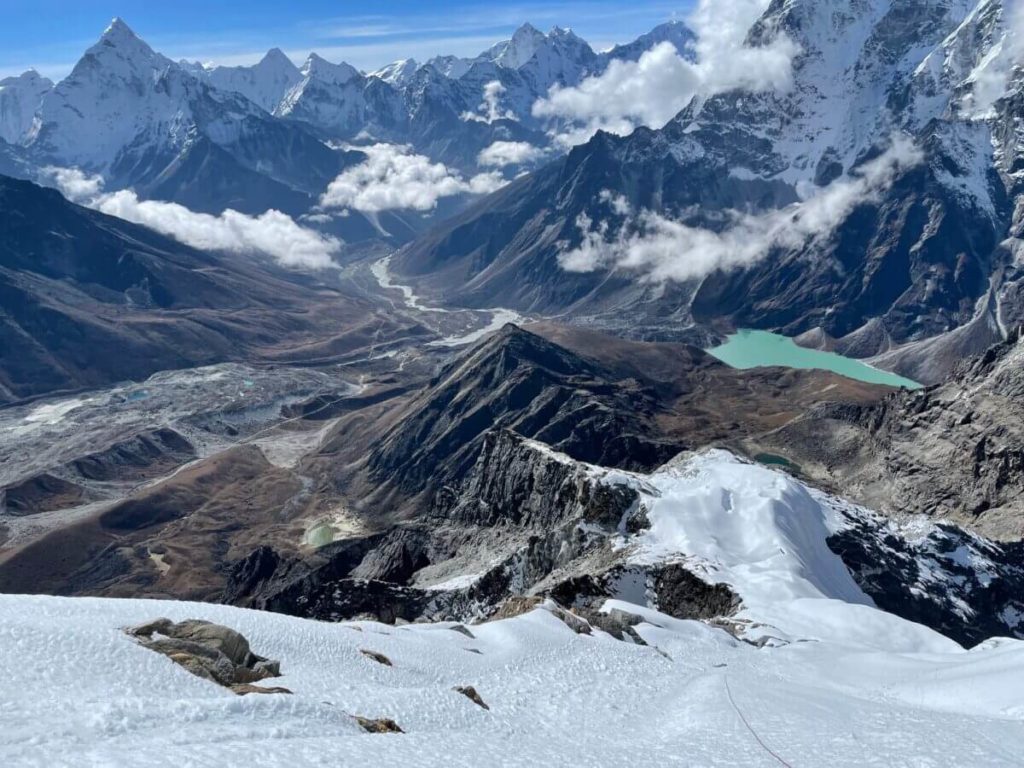
The standard itinerary includes Ama Dablam Base Camp around 4,600 meters, Camp I around 5,700 meters, and Camp II around 6,000 meters, followed by the summit attempt at 6,812 meters.
The climbing process involves moving upward, gaining experience on the route, returning for recovery when planned, and eventually making the summit push. This is very different from simply hiking continuously from the valley to the summit.
8. Summit Day Can Be Extremely Demanding
The summit push requires a combination of endurance, technical ability, altitude tolerance, weather judgment, and efficient movement.
At high altitude, even familiar physical activities become more demanding. A climber must conserve energy, maintain concentration, follow rope and climbing procedures, communicate effectively with the team, and respond appropriately to changing conditions.
The objective is not merely to move upward as quickly as possible. Safe and controlled decision-making is fundamental to high-altitude mountaineering.
9. Weather Can Change Your Entire Plan
Before booking an Ama Dablam Expedition 2027 or 2028, understand that your itinerary is a framework rather than a guarantee that every day will happen exactly as printed.
Weather can affect flights to Lukla, trekking schedules, climbing rotations, summit attempts, and descent plans. This is why contingency days are included in Ama Dablam itineraries. For example, the rapid program includes a designated contingency day, while longer programs may include multiple contingency days depending on the itinerary.
A climber who becomes mentally attached to a particular summit date may find the expedition more stressful when conditions change. Flexibility is part of Himalayan expedition planning.
10. Your Equipment Can Make a Major Difference
You should understand your equipment well before arriving in Nepal.
An Ama Dablam climbing gear list can include mountaineering boots, crampons, ice axe, climbing harness, helmet, ascender, descender, carabiners, climbing clothing, down layers, gloves, goggles, headlamp, sleeping system, backpack, technical equipment, and appropriate personal protective equipment.
More equipment is not automatically better. Proper fit, familiarity, condition, compatibility, and correct use are more important than simply having an enormous gear list.
11. Practice With Your Actual Equipment
One of the most useful lessons before an Ama Dablam Expedition is: do not wait until Base Camp to discover that your equipment does not fit properly.
Practice walking in your mountaineering boots. Train with your backpack. Use your gloves while handling equipment. Practice clipping into ropes. Become comfortable with your harness and ascender. Test your clothing system in cold conditions.
Small problems that seem insignificant at home can become major distractions at altitude.
12. Nutrition and Hydration Deserve Serious Attention
High-altitude climbing requires sustained energy, but appetite can change as elevation increases.
Your nutrition strategy should therefore be practical and familiar. Test energy gels, bars, snacks, electrolytes, hydration systems, and other personal foods during training rather than experimenting for the first time on the mountain.
Hydration is equally important, particularly during demanding trekking and climbing days. Your expedition team can provide guidance appropriate to the conditions, but you should already understand your personal hydration routine.
13. Sleep May Become Difficult
Another reality I would want to know beforehand is that sleeping at altitude may not feel like sleeping at home.
Higher camps can involve cold temperatures, unfamiliar environments, physical fatigue, and altitude-related sleep disruption. Therefore, recovery should be considered part of the expedition strategy.
You cannot completely control how your body responds to altitude, but arriving well-rested, properly prepared, and patient can help you manage the experience more effectively.
14. Do Not Hide Symptoms From Your Team
This is one of the most important principles of high-altitude expedition safety.
If you feel unwell, communicate with your guide or expedition leader. Do not hide symptoms simply because you are worried about losing your summit opportunity.
A successful expedition is not defined only by reaching the summit. Professional mountain decision-making includes knowing when to continue, when to rest, when to descend, and when conditions are inappropriate for further ascent.
15. The Standard and Rapid Expeditions Are Not the Same
Ama Dablam Expeditions currently presents both standard and rapid expedition formats. The standard program provides more time for acclimatization and strategic climbing rotations, while the Rapid Ama Dablam Expedition is a 20-day program aimed at experienced climbers who can operate efficiently at altitude.
This means choosing an itinerary should depend on your previous experience, preparation, available time, and ability to handle the demands of the particular program—not simply the number of days.
16. Combined Expeditions Can Provide Additional Climbing Experience
Ama Dablam Expeditions also offers combined programs such as Ama Dablam with Island Peak, and Ama Dablam programs incorporating Lobuche Peak and Everest Base Camp.
For suitable climbers, a combined itinerary can provide additional high-altitude and technical climbing experience. However, climbing another 6,000-meter peak does not automatically make someone ready for Ama Dablam. The technical and expedition demands remain significant. The company's Island Peak combination specifically notes that Island Peak experience does not automatically equal readiness for Ama Dablam.
17. Everest Base Camp Can Be Part of the Acclimatization Journey
An Ama Dablam Expedition with Everest Base Camp Trek combines two different Himalayan experiences. The itinerary published by Ama Dablam Expeditions takes climbers through the Everest Base Camp route before continuing toward Ama Dablam Base Camp.
For climbers interested in both Everest-region trekking and Ama Dablam climbing, this creates a broader Khumbu experience while incorporating substantial time at altitude.
18. The Khumbu Journey Is Also a Cultural Experience
Ama Dablam is not isolated from the communities surrounding it. The approach passes through famous Sherpa settlements and Buddhist cultural landscapes of the Khumbu.
Namche Bazaar, Tengboche, Dingboche, Pangboche, and surrounding villages are part of the wider Everest-region experience. Respect for local communities, religious sites, environmental rules, guides, porters, and other expedition teams should therefore be part of responsible preparation.
19. Budget for More Than the Advertised Expedition Price
When researching Ama Dablam Expedition cost, do not look only at the package price.
Your overall budget can also involve international flights, personal climbing equipment, travel insurance, visas, personal expenses, tips, extra accommodation, communication, medical expenses, additional days caused by delays, and other personal costs.
Ama Dablam Expeditions currently lists different package prices depending on the program; for example, its standard Ama Dablam Expedition with Lobuche Peak and EBC Trek is listed from US$5,690 per person, while other combined programs and the rapid expedition have different published prices.
Always confirm the current inclusions and exclusions directly with the operator before booking.
20. Insurance Should Be Considered Before Departure
For a high-altitude expedition, ordinary travel insurance may not be sufficient. Before departure, check whether your policy specifically addresses mountaineering at the elevation and activity level relevant to your expedition, as well as emergency evacuation and other applicable situations.
Do not assume that a standard travel policy automatically covers every aspect of an Ama Dablam climb.
21. Build Extra Time Into Your Nepal Schedule
Flights, weather, trekking conditions, health, and mountain conditions can affect schedules.
If your international flight leaves immediately after the scheduled expedition finish, even a relatively small delay can create complications. Building reasonable flexibility into your travel schedule can make the overall journey less stressful.
22. Choose the Expedition Operator Carefully
One of the most important decisions is selecting an Ama Dablam expedition company in Nepal that provides appropriate logistics, experienced mountain leadership, clear communication, climbing support, acclimatization planning, and transparent information about the itinerary and costs.
Before booking, ask detailed questions about:
- Expedition duration
- Group size
- Guide-to-climber structure
- Sherpa support
- Acclimatization strategy
- Camp arrangements
- Fixed-rope systems
- Equipment and oxygen policies
- Emergency procedures
- Insurance requirements
- Permits
- Food and accommodation
- Transportation
- Contingency days
- Package inclusions and exclusions
- Cancellation and postponement policies
Ama Dablam Expeditions lists group sizes of 1–15 people on its standard program and provides published itinerary and package information for its different expedition options.
23. Pre-Booking Amadablam Expeditions Early Can Make Planning Easier?
For Ama Dablam Expedition 2027/2028, planning early can help with expedition dates, permits, logistics, equipment preparation, training schedules, flights, accommodation, and personal travel arrangements.
Ama Dablam Expeditions currently promotes spring and autumn expedition programs and recommends advance planning for climbers preparing for the 2027/2028 seasons. (Ama Dablam Expeditions)
24. The Biggest Lesson: Preparation Is a Process
Perhaps the most important thing I would want to know before climbing Ama Dablam is that preparation cannot be compressed into the final few weeks.
Your expedition preparation should begin with an honest assessment of your previous climbing experience. From there, build physical endurance, technical skills, high-altitude experience, equipment familiarity, financial planning, travel preparation, and mental readiness.
The mountain does not become easier simply because you have booked a professional expedition.
Professional support can improve organization and provide experienced guidance, but you remain responsible for arriving prepared and communicating honestly about your condition and experience.
25. What I Wish I Knew Before the Ama Dablam Expedition
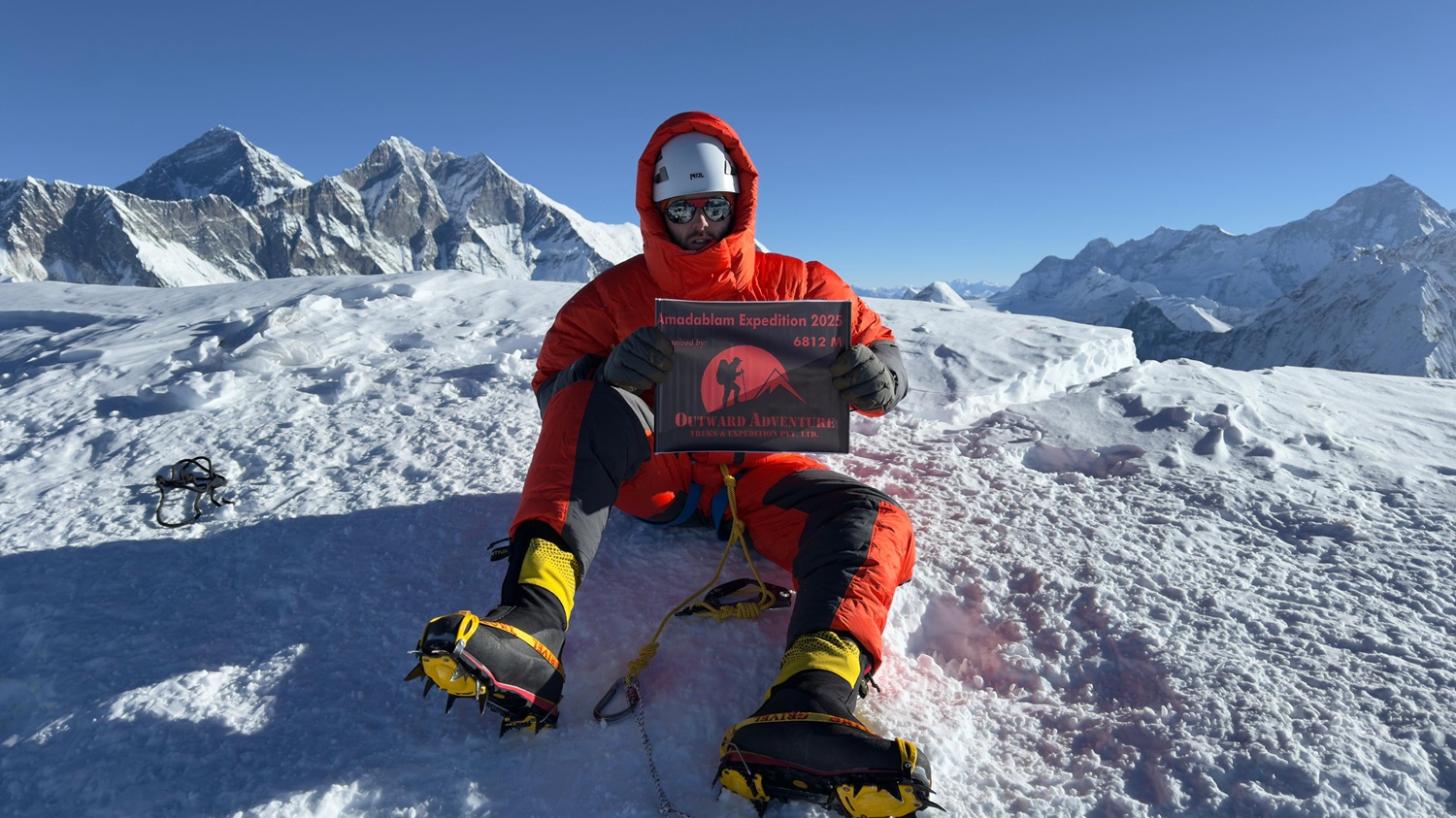
If everything could be summarized into one practical checklist, it would be this: Ama Dablam is a serious technical Himalayan expedition, not simply a high-altitude trek. You need appropriate experience, physical preparation, technical climbing skills, suitable equipment, realistic expectations, acclimatization, weather flexibility, financial preparation, insurance, and a professional expedition structure.
The summit is only one moment of the journey. The real expedition begins with preparation and continues through the approach to the Khumbu, acclimatization, Base Camp training, climbing rotations, high camps, summit decisions, descent, and return to Kathmandu. The published Ama Dablam Expeditions itineraries reflect this progression through staged acclimatization, technical preparation, climbing rotations, and contingency planning.
For climbers planning an Ama Dablam Expedition 2027/2028, understanding these realities before arriving in Nepal can help create more realistic expectations and better preparation. Ama Dablam's iconic 6,812-meter summit is certainly the objective, but reaching it responsibly depends on everything that happens before, during, and after summit day.
For detailed expedition options, itineraries, current package information, and booking inquiries, you can explore Ama Dablam Expeditions.