
Ama Dablam Expedition: Nepal’s Iconic 6,812m Climb
Ama Dablam Expeditions is a Sherpa-led Himalayan adventure company based in Kathmandu, Nepal, specializing in high-altitude mountaineering, peak climbing, trekking, and professionally supported expeditions in the Khumbu and wider Himalayan region. Built by mountain professionals with strong connections to the Everest region, the company focuses on small-group adventures, experienced Sherpa leadership, careful acclimatization, reliable logistics, and safety-oriented expedition planning.
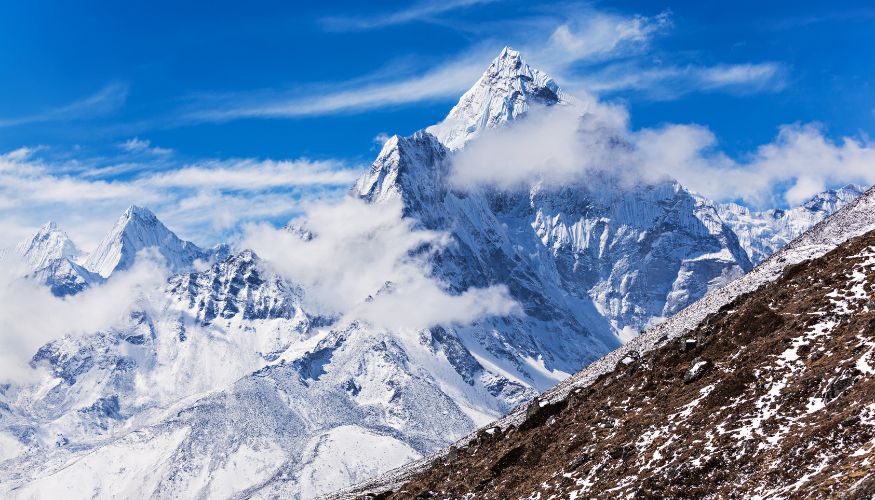
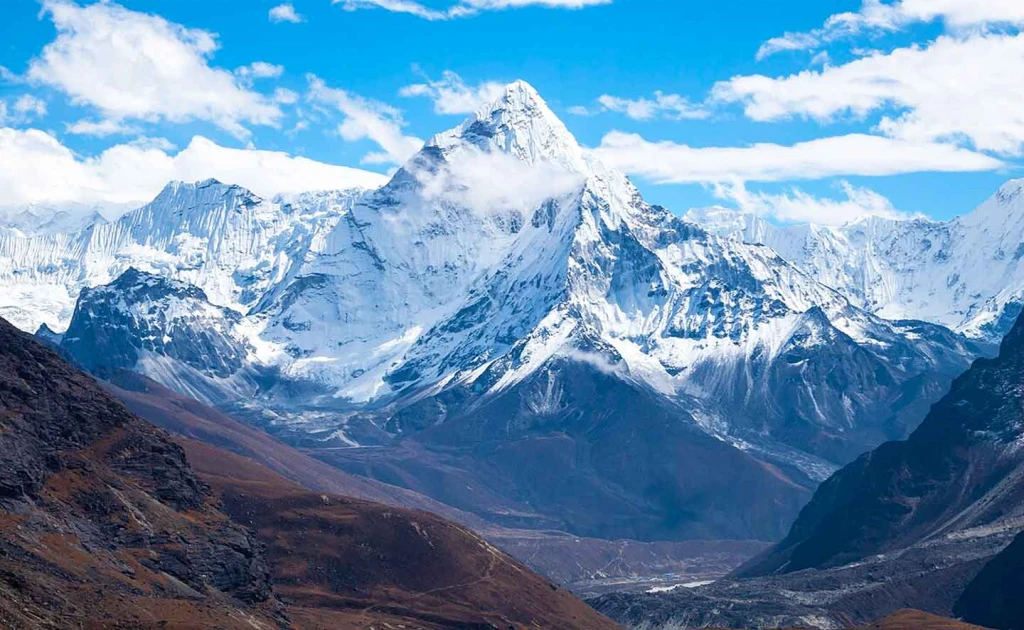
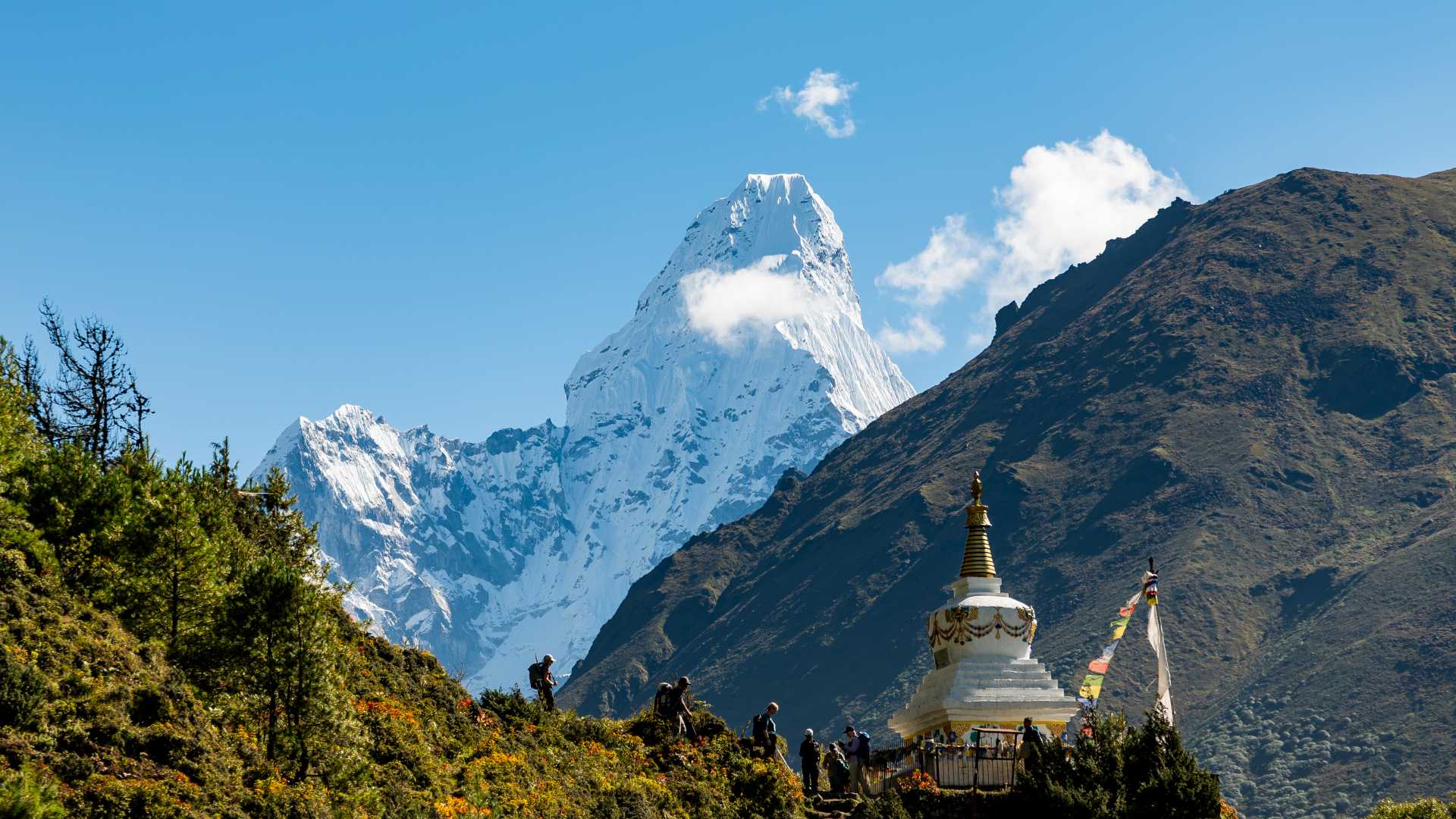
At the heart of the company is Ama Dablam, one of Nepal’s most recognizable Himalayan peaks. Rising to 6,812 meters (22,349 feet) in the Khumbu region, Ama Dablam is renowned for its distinctive pyramid-shaped profile, steep faces, exposed ridges, and technical climbing terrain. Its dramatic appearance has earned it the popular description “Matterhorn of the Himalayas.” The mountain is positioned near the classic Everest Base Camp route, providing climbers with spectacular views of some of the world’s highest peaks throughout the approach and expedition.
Ama Dablam Expeditions provides structured expedition programs designed around different climbing objectives and experience levels. Its offerings include the Ama Dablam Expedition, Rapid Ama Dablam Expedition, and combination adventures linking Ama Dablam with Everest Base Camp, Island Peak, and Lobuche Peak. These itineraries allow climbers to choose between a dedicated Ama Dablam expedition and broader Himalayan programs combining trekking, acclimatization, and multiple summits.
The standard Ama Dablam expedition follows a gradual approach through the Khumbu Valley, commonly traveling from Kathmandu to Lukla before continuing through Phakding, Namche Bazaar, Tengboche, Dingboche, and onward to Ama Dablam Base Camp. Acclimatization days and progressive rotations toward higher camps form an important part of the expedition structure before the summit attempt. The published standard itinerary reaches Camp I at approximately 5,700 meters, Camp II at approximately 6,000 meters, and the summit at 6,812 meters.
A major feature of Ama Dablam Expeditions is its emphasis on Sherpa-led mountain support. The company states that its certified guides and Sherpa teams bring high-altitude experience to expedition leadership, while its Kathmandu-based team manages permits, domestic transfers, base-camp arrangements, high-altitude logistics, and safety planning. Small team sizes are also used to provide more individual attention and allow expedition pacing and acclimatization to be adapted to the group.
Beyond the technical climbing experience, an expedition with Ama Dablam Expeditions introduces climbers to the natural and cultural character of the Khumbu region. The journey passes through traditional Sherpa settlements, mountain valleys, monasteries, suspension bridges, and spectacular Himalayan landscapes. Depending on the selected itinerary, climbers may also experience Everest Base Camp or attempt another Himalayan summit such as Island Peak or Lobuche Peak.
For climbers searching online for Ama Dablam Expedition in Nepal, Ama Dablam climbing, Sherpa-led Ama Dablam expedition, Nepal peak climbing, Khumbu mountaineering, or Ama Dablam expedition packages, Ama Dablam Expeditions offers dedicated programs centered on professional mountain support and organized high-altitude logistics. Its published expedition calendar includes programs for the 2027 and 2028 seasons, with spring and autumn identified as expedition seasons on its standard Ama Dablam program.
Overall, Ama Dablam Expeditions combines local Sherpa knowledge, expedition logistics, technical mountain guidance, acclimatization planning, and Himalayan trekking experience to create structured journeys toward Ama Dablam and other major objectives in Nepal. For experienced mountaineers seeking a professionally organized approach to one of the Khumbu’s most iconic peaks, the company provides expedition programs that bring together the challenge of high-altitude climbing and the landscapes, communities, and traditions of the Nepal Himalaya.
Top 20 Major Highlights of Ama Dablam Expeditions
Ama Dablam Expeditions offers a range of Himalayan mountaineering programs centered on Ama Dablam (6,812 m / 22,349 ft) in Nepal’s Khumbu region. Depending on the selected itinerary, the journey can combine high-altitude trekking, acclimatization, technical climbing, Everest Base Camp, and additional summit objectives such as Lobuche Peak or Island Peak. The expedition programs are structured around progressive altitude gain, climbing rotations, preparation at base camp, contingency days, and a summit attempt.
1. Climbing the Iconic Ama Dablam
The central highlight is the opportunity to attempt Ama Dablam, one of the most recognizable mountains in the Himalayas. At 6,812 meters, the mountain combines dramatic scenery with technical alpine terrain. Its distinctive pyramid-shaped profile rises prominently above the Khumbu Valley, making the approach itself an important part of the expedition experience.
The climb is not simply a high-altitude walk. The upper mountain involves steep and exposed terrain where climbers use fixed ropes and mountaineering equipment. Ama Dablam Expeditions' published itinerary includes progression through Camp I at approximately 5,700 meters and Camp II at approximately 6,000 meters before the summit attempt at 6,812 meters.
This progressive structure allows climbers to experience the mountain in stages. Instead of moving directly from base camp toward the summit, the expedition incorporates rotations and higher-altitude preparation before the final summit push.
2. Scenic Himalayan Flight to Lukla
For many participants, the expedition begins with an unforgettable mountain flight from Kathmandu toward Lukla. Published Ama Dablam itineraries describe the flight as approximately 35 minutes, followed by the trek toward Phakding.
Lukla serves as an important gateway to the Khumbu region. From here, the expedition transitions from air travel to trekking through mountain villages, suspension bridges, forests, rivers, and progressively higher landscapes.
The transition is significant because the expedition begins gradually rather than immediately entering technical climbing terrain. The approach provides time for participants to settle into the mountain environment and begin adapting to increasing altitude.
3. Trekking Through the Khumbu Valley
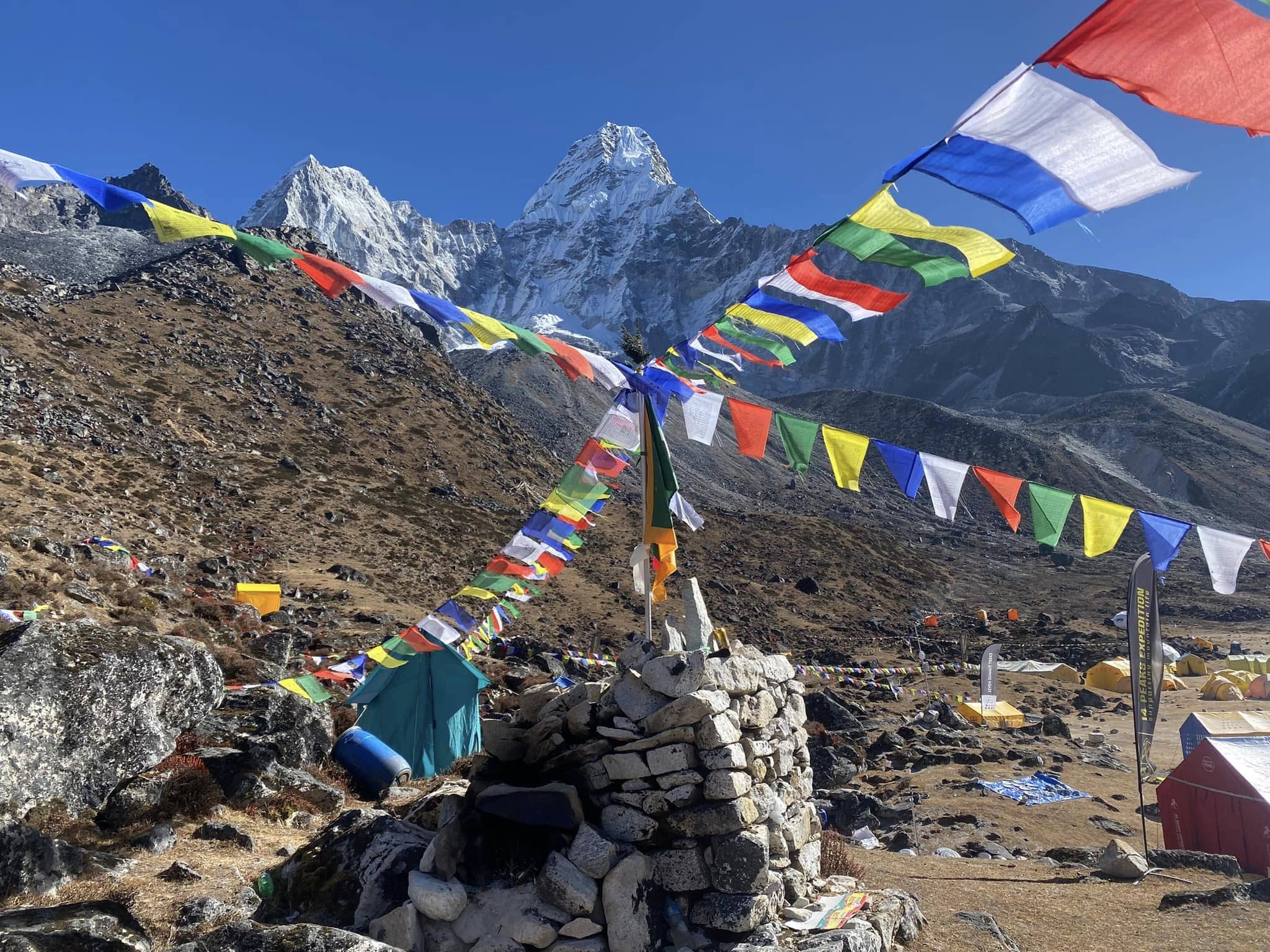
The approach to Ama Dablam is itself a major highlight. Depending on the program, the route passes through places such as Phakding, Namche Bazaar, Tengboche, Dingboche, Pheriche, and Ama Dablam Base Camp.
The trail follows river valleys, crosses suspension bridges, passes traditional settlements, and gradually enters the high alpine environment.
This approach is important from both a practical and experiential perspective. Practically, it provides progressive altitude gain. Experientially, it introduces climbers to the landscapes and communities of the Khumbu before they reach the technical climbing section.
The journey therefore combines trekking and mountaineering rather than treating the summit as an isolated objective.
4. Namche Bazaar and Active Acclimatization
Namche Bazaar at approximately 3,440 meters is one of the most important acclimatization points on the journey. Ama Dablam Expeditions' itineraries include an acclimatization day here, with a hike toward the Everest View Hotel.
The purpose of this stop is to allow the body to begin adjusting to higher elevation before continuing deeper into the Khumbu.
The hike also provides spectacular mountain views, including Everest, Lhotse, Ama Dablam, and surrounding Himalayan peaks. Rather than spending the entire acclimatization day inactive, the itinerary uses controlled movement at elevation followed by returning to Namche.
This combination of acclimatization and mountain sightseeing makes Namche an important milestone.
5. Tengboche and Himalayan Culture
The route toward Ama Dablam also introduces climbers to Tengboche, one of the best-known cultural locations in the Everest region. The trail between Namche and the higher valleys provides a transition from forested landscapes toward increasingly rugged alpine terrain.
Tengboche is particularly notable for its Buddhist heritage and monastery. For expedition participants, the stop provides an opportunity to experience an important aspect of Sherpa culture alongside the physical progression of the climb.
The cultural dimension adds depth to the expedition. The journey is not limited to altitude, camps, ropes, and summits; it also passes through communities where Himalayan Buddhist traditions remain closely connected with mountain life.
6. Dingboche Acclimatization
Dingboche, around 4,360–4,410 meters, represents another major acclimatization stage. The published itineraries include a dedicated acclimatization day here before the team moves toward higher elevations.
Some itineraries use a nearby hill or ridge for an acclimatization hike. The objective is to expose climbers to greater elevation during the day while allowing them to return to Dingboche for overnight recovery.
At this stage, the environment changes noticeably. Vegetation becomes increasingly sparse, the landscape more rugged, and the mountains appear much closer. Ama Dablam, Lhotse, Island Peak, and other Himalayan summits dominate the surrounding views.
This is also an important psychological transition: the expedition is moving from a trekking environment toward genuine high-altitude mountaineering.
7. Pre-Climb Training at Ama Dablam Base Camp
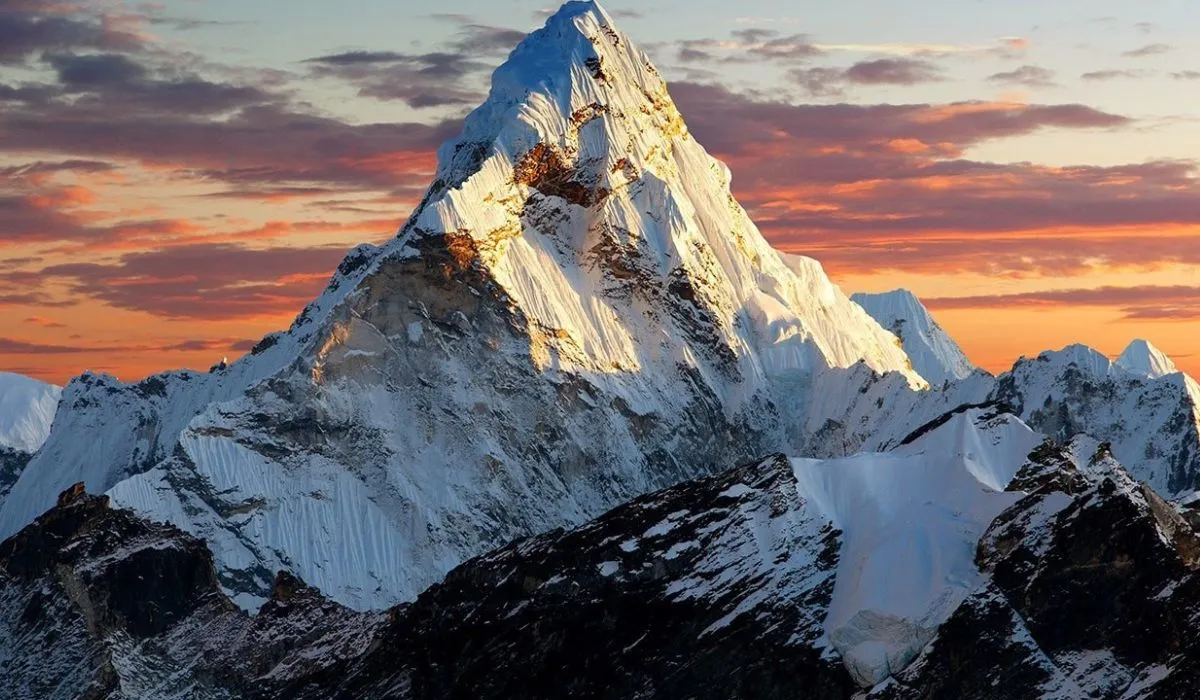
Reaching Ama Dablam Base Camp at approximately 4,570–4,600 meters is one of the expedition's defining milestones. The standard itinerary includes preparation and training at base camp before the higher climbing rotations.
Pre-climb preparation can focus on practical mountaineering skills, equipment organization, movement techniques, rope procedures, and preparation for the terrain above base camp.
This stage is particularly important because the expedition shifts from trekking to technical climbing. Climbers need to be familiar with their equipment and understand how to move efficiently and safely in steep mountain terrain.
Base Camp also provides a period to rest, recover, organize equipment, and prepare physically and mentally for the next phase.
8. Traditional Puja Ceremony
One of the most meaningful highlights at Ama Dablam Base Camp is the traditional Buddhist Puja ceremony. Ama Dablam Expeditions includes a worship ceremony in its itineraries before the technical ascent.
During the ceremony, climbing equipment may be placed before the altar for blessing, while prayers and traditional rituals are performed by a Lama or senior Sherpa.
For many climbers, this is more than a ceremonial event. It represents respect for the mountain and the cultural traditions of the Himalayan communities.
The Puja also marks the transition from the approach phase to the serious climbing phase. Once the ceremony and preparation are complete, the team is ready to begin its rotations toward the higher camps.
9. Climbing Rotation to Camp I
The move toward Camp I at approximately 5,700 meters represents the beginning of the major technical climbing phase. The published itineraries include an initial climb toward Camp I followed by descent for further acclimatization, before a later overnight progression.
The terrain becomes significantly more demanding than the trekking route. Climbers encounter steeper sections, exposed ridges, rock, and fixed-rope terrain.
The rotation is valuable because it allows climbers to experience the altitude and route conditions without immediately committing to the summit push.
Returning to a lower elevation after reaching higher altitude also provides time for recovery and further adaptation.
10. Camp II and Technical Ama Dablam Terrain
Camp II at approximately 6,000 meters is another major milestone. Reaching this elevation means the expedition has entered an extremely high-altitude environment where oxygen availability is considerably reduced.
The route toward Camp II includes some of Ama Dablam's most recognizable technical terrain. Ama Dablam Expeditions specifically highlights the Yellow Tower and fixed-rope climbing sections on this part of the route.
At this stage, climbers must combine physical endurance with controlled movement and careful use of climbing equipment. The terrain is steep and exposed, requiring concentration throughout the ascent.
The experience at Camp II is therefore one of the clearest distinctions between an Ama Dablam expedition and a conventional Himalayan trekking journey.
11. The Final Summit Push
The ultimate objective is the summit at 6,812 meters / 22,349 feet. Ama Dablam Expeditions' programs schedule an early-night or overnight summit push, with climbers ascending from the high camps toward the summit and returning toward Camp II.
A summit day can be physically demanding because climbers are operating at extreme altitude while navigating technical terrain.
The timing is designed around mountain conditions, daylight, route considerations, and the need to reach higher elevations during the appropriate part of the climbing window.
Standing on the summit provides expansive views across the Khumbu Himalaya. However, the summit attempt is only one part of the expedition; the preparation, acclimatization, rotations, teamwork, and descent are equally important components of the overall undertaking.
12. Everest Base Camp Combination
One of the notable features of Ama Dablam Expeditions is the availability of combination itineraries incorporating Everest Base Camp. The Ama Dablam with Everest Base Camp program includes a trek to Gorakshep and Everest Base Camp before continuing toward Ama Dablam.
This creates a broader Himalayan experience. Participants can visit one of the world's most famous trekking destinations before turning their attention toward a technical summit.
The itinerary also includes a hike toward Kala Patthar at approximately 5,545 meters, providing another high-altitude viewpoint before the team proceeds toward Ama Dablam Base Camp.
For people interested in both Everest-region trekking and technical climbing, this combination connects two very different Himalayan experiences within one expedition.
13. Lobuche Peak Combination
Another major highlight is the option to combine Ama Dablam with Lobuche East Peak, which rises to approximately 6,119 meters. The published combination itinerary places the Lobuche climb before the team proceeds to Ama Dablam Base Camp.
This format adds a second summit objective to the expedition.
The route can include Lobuche High Camp, the summit attempt, descent toward Pheriche, and then continuation toward Ama Dablam. This creates a progressive high-altitude experience in which climbers gain additional exposure before reaching Ama Dablam's technical terrain.
For suitable participants, the combination offers the opportunity to experience two distinct Himalayan summits during one extended journey.
14. Island Peak Combination
Ama Dablam Expeditions also offers a program combining Island Peak and Ama Dablam. The published itinerary includes Island Peak at approximately 6,189 meters / 20,305 feet before the Ama Dablam climbing phase.
Island Peak provides a different climbing environment and can become an important part of the overall expedition experience.
The combination itinerary takes climbers through Namche and Dingboche before continuing toward Chhukung and Island Peak Base Camp. The Island Peak summit attempt is then followed by progression toward Ama Dablam.
This itinerary creates a multi-stage Himalayan climbing journey rather than a single-mountain expedition.
15. Progressive Acclimatization Strategy
Acclimatization is one of the most important structural features of the expedition programs. The itineraries include dedicated acclimatization days at locations such as Namche Bazaar and Dingboche, as well as higher-altitude rotations toward Ama Dablam Camps I and II.
The principle is progressive exposure rather than rapid movement directly to the summit.
For example, a climber may first reach Camp I and return lower, later progress toward Camp II, and eventually undertake the summit push after additional rest and preparation.
The exact schedule can vary according to the chosen program, weather, individual condition, and mountain circumstances. Ama Dablam Expeditions' itineraries also include contingency days specifically for weather, acclimatization, and health-related considerations.
16. High-Altitude Mountain Views
The visual experience is another major highlight. Throughout the approach and climbing phases, participants encounter panoramic views of some of the world's highest mountains.
The published routes mention views of Everest, Lhotse, Ama Dablam, Makalu, Island Peak, and other Himalayan peaks from different stages of the journey.
The scenery changes continuously as the expedition gains altitude. Lower sections feature forests, rivers, and villages, while higher sections transition into rocky valleys, glaciers, snow, and exposed mountain ridges.
This dramatic environmental progression is one of the defining characteristics of a Khumbu expedition.
17. Sherpa Culture and Local Communities
Ama Dablam Expeditions takes place in the homeland of the Sherpa people, making cultural interaction an important part of the journey.
Participants pass through villages where traditional architecture, Buddhist monuments, prayer wheels, mani walls, monasteries, and mountain-oriented lifestyles are visible along the trail.
The journey through the Khumbu therefore provides an opportunity to experience Himalayan culture alongside mountaineering. The cultural component becomes particularly visible at Namche, Tengboche, Pangboche, Dingboche, and other settlements along the route.
18. Professional Expedition Support
A major practical highlight is organized expedition support. The company presents its programs around experienced mountain teams, climbing Sherpas, logistical coordination, and structured itineraries.
For a technical peak such as Ama Dablam, expedition organization involves considerably more than simply reaching base camp. Climbers need permits, transportation, accommodation, food arrangements, climbing equipment, camps, route support, and high-altitude logistics.
The published itineraries demonstrate a planned progression from Kathmandu through the Khumbu and into the high camps, with contingency days incorporated into several programs.
19. Contingency Days for Mountain Conditions
Himalayan expeditions cannot be planned around a perfectly predictable schedule. Weather and mountain conditions can influence flights, trekking, climbing rotations, and summit attempts.
For this reason, Ama Dablam Expeditions' programs include contingency days. The standard Ama Dablam itinerary and combination programs identify additional days for circumstances such as bad weather, acclimatization requirements, or health-related considerations. (Ama Dablam Expeditions)
These reserve days provide flexibility within the overall expedition schedule. They are particularly relevant during the summit phase, when weather conditions can determine whether a planned summit attempt can proceed.
20. A Complete Himalayan Adventure
The biggest highlight of an Ama Dablam expedition is that it combines multiple dimensions of Himalayan adventure into one organized journey.
Depending on the selected program, participants can experience:
- A scenic flight to Lukla
- Trekking through the Khumbu Valley
- Sherpa villages and Himalayan culture
- Namche Bazaar and active acclimatization
- Tengboche and Buddhist heritage
- Dingboche acclimatization
- Ama Dablam Base Camp
- Traditional Puja ceremony
- Pre-climb technical preparation
- Camp I at approximately 5,700 meters
- Camp II at approximately 6,000 meters
- Technical fixed-rope climbing
- The Yellow Tower section
- Ama Dablam summit attempt at 6,812 meters
- Everest Base Camp and Kala Patthar on selected itineraries
- Lobuche East on combination programs
- Island Peak on combination programs
- High-altitude mountain scenery
- Sherpa-led expedition support
- Planned acclimatization rotations
- Contingency days for changing mountain conditions
Overall, Ama Dablam Expeditions is distinguished by the combination of Himalayan trekking, cultural immersion, progressive acclimatization, technical climbing, and high-altitude expedition logistics. The standard Ama Dablam program focuses directly on the 6,812-meter summit, while combination itineraries broaden the experience through Everest Base Camp, Lobuche Peak, or Island Peak.
The expedition is therefore more than a summit itinerary. It is a gradual journey from Kathmandu into the heart of the Khumbu, from lower valleys to high alpine terrain, and from trekking trails to technical climbing routes. Each stage—from the first Himalayan flight and acclimatization hikes to the Puja ceremony, high-camp rotations, summit attempt, and descent—contributes to the complete Ama Dablam mountaineering experience.
Conclusion: Ama Dablam Expedition-A Journey from Base Camp to Summit
An Ama Dablam Expedition is far more than a high-altitude climbing program. It is a complete Himalayan journey that combines adventure, technical mountaineering, Sherpa culture, breathtaking landscapes, acclimatization, teamwork, and the challenge of reaching one of Nepal’s most iconic summits. Rising to 6,812 meters (22,349 feet) in the Khumbu region, Ama Dablam offers a distinctive combination of steep terrain, exposed climbing sections, high-altitude environments, and extraordinary Himalayan scenery.
From the beginning, the journey provides a remarkable experience. The flight toward Lukla introduces climbers to the dramatic geography of the Everest region, while the trek through Phakding, Namche Bazaar, Tengboche, Dingboche, and surrounding Himalayan settlements gradually leads deeper into the Khumbu. Each destination contributes something different to the expedition, from mountain views and Buddhist heritage to acclimatization and preparation for the demanding climbing stages.
One of the defining highlights is the gradual transition from trekking to technical mountaineering. The approach allows climbers to gain altitude progressively before reaching Ama Dablam Base Camp. Dedicated acclimatization periods at locations such as Namche Bazaar and Dingboche help establish the foundation for higher-altitude climbing. Once at base camp, climbers can prepare their equipment, participate in the traditional Puja ceremony, and begin the next stage of the expedition.
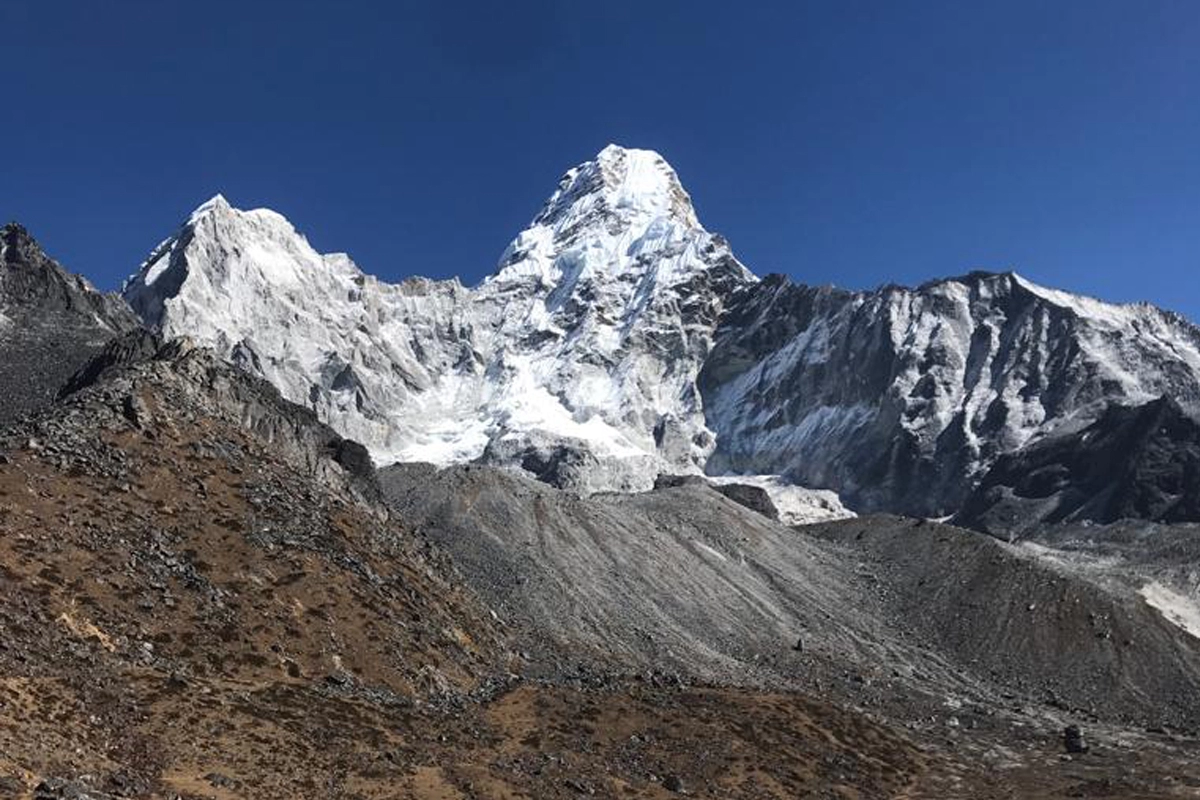
The climbing phase introduces a completely different dimension of the journey. Progressing toward Camp I and Camp II, climbers encounter steeper and more technical terrain requiring appropriate mountaineering skills, equipment, concentration, and teamwork. The higher sections of Ama Dablam, including technical climbing areas such as the Yellow Tower, make the mountain a serious undertaking rather than a conventional trekking peak. The final summit push toward 6,812 meters represents the culmination of weeks of preparation, acclimatization, climbing rotations, and logistical coordination.
Another important attraction is the possibility of combining the Ama Dablam expedition with other Himalayan experiences. Depending on the selected itinerary, climbers may include Everest Base Camp, Kala Patthar, Lobuche Peak, or Island Peak within their broader adventure. These combination programs provide opportunities to experience different landscapes, elevations, and climbing environments while exploring more of the Khumbu region.
Beyond the physical challenge, an Ama Dablam expedition provides meaningful exposure to Himalayan culture. The route passes through traditional Sherpa communities, monasteries, prayer wheels, mani walls, and mountain settlements. The experience at Tengboche and the traditional Puja ceremony at base camp can provide an important cultural dimension to the expedition. Respect for local communities, mountain traditions, and the natural environment remains an essential part of responsible Himalayan travel.
The success of a high-altitude expedition also depends on preparation and flexibility. Weather, route conditions, altitude, individual acclimatization, and other mountain factors can influence the schedule. A well-organized expedition therefore requires careful planning, appropriate equipment, experienced mountain personnel, contingency time, and sensible decision-making throughout the journey. Climbers should understand that the summit is only one part of the expedition; preparation, acclimatization, teamwork, and a safe return are equally important elements of the overall experience.
For climbers planning their next Himalayan objective, Ama Dablam Expeditions provides programs focused on Ama Dablam and selected combination adventures in the Everest region. The company's itineraries bring together trekking arrangements, expedition logistics, acclimatization schedules, high-altitude climbing support, and experienced Sherpa teams to create structured Himalayan journeys.
Whether the objective is a dedicated Ama Dablam climb or a broader adventure combining Ama Dablam with Everest Base Camp, Lobuche Peak, or Island Peak, the journey offers an opportunity to experience the Khumbu from its trekking trails to its high alpine climbing terrain. Every stage contributes to the story—from the first steps in the lower valleys and acclimatization hikes to the quiet atmosphere of base camp, the challenge of the high camps, and the final summit attempt beneath the Himalayan sky.
Planning for Ama Dablam Expedition? Booking Open for 2027/ 2028!
If you are planning an Ama Dablam climbing adventure in Nepal for 2027/2028 and want detailed information about expedition itineraries, climbing programs, dates, preparation, logistics, and booking, contact Ama Dablam Expeditions directly.
Website: Ama Dablam Expeditions
Email: info@amadablamexpeditions.com
Ama Dablam Expeditions can help you explore available expedition options and plan your journey toward one of the most recognizable peaks in the Nepal Himalaya.
Ama Dablam Expedition Nepal — From the Khumbu Valley to a 6,812-meter Himalayan summit, every stage is part of the adventure.