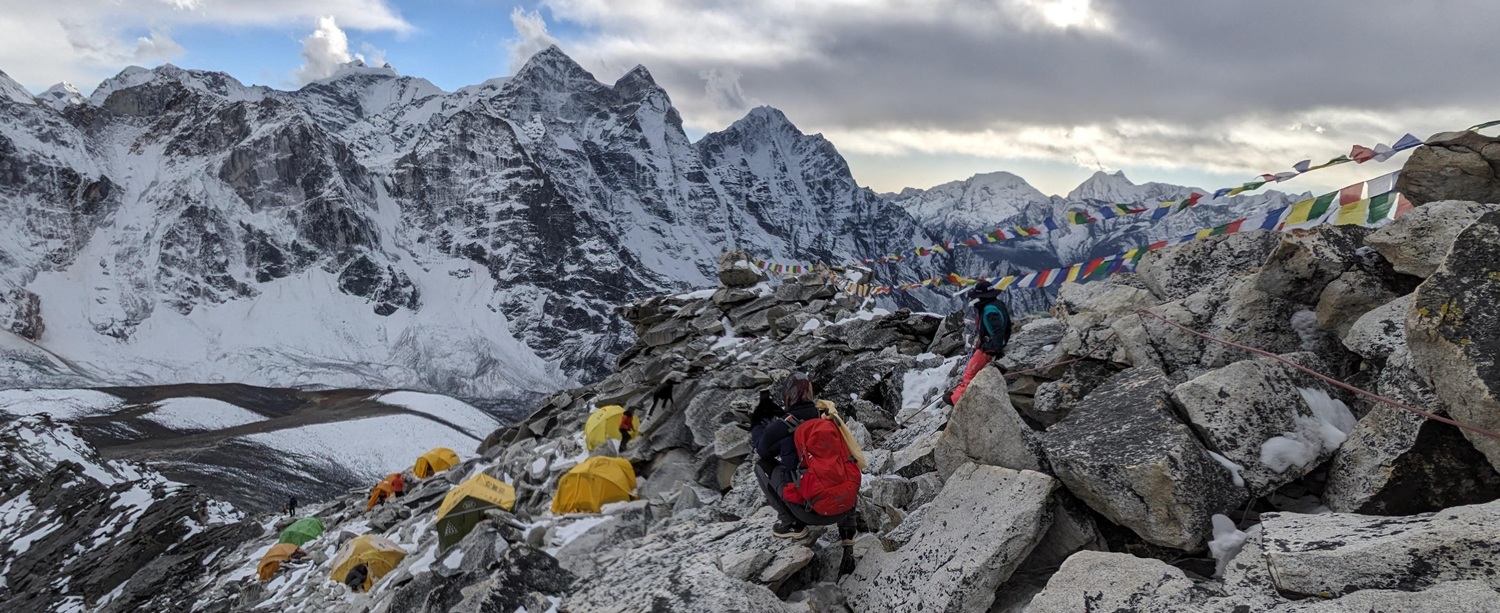
Embarking on the combined expedition of Island Peak and Ama Dablam is not merely a climbing trip; it is a pilgrimage into the vertical heart of the Khumbu. At Ama Dablam Expeditions, we view this journey as a masterful progression of high-altitude artistry. We begin amidst the bustling energy of Namche Bazaar, winding through rhododendron forests and ancient monasteries, before setting our sights on the Chhukung Valley. This initial phase is designed to transform your body into a high-performance machine, allowing you to find your rhythm in the thin air while surrounded by the most iconic peaks on the planet.
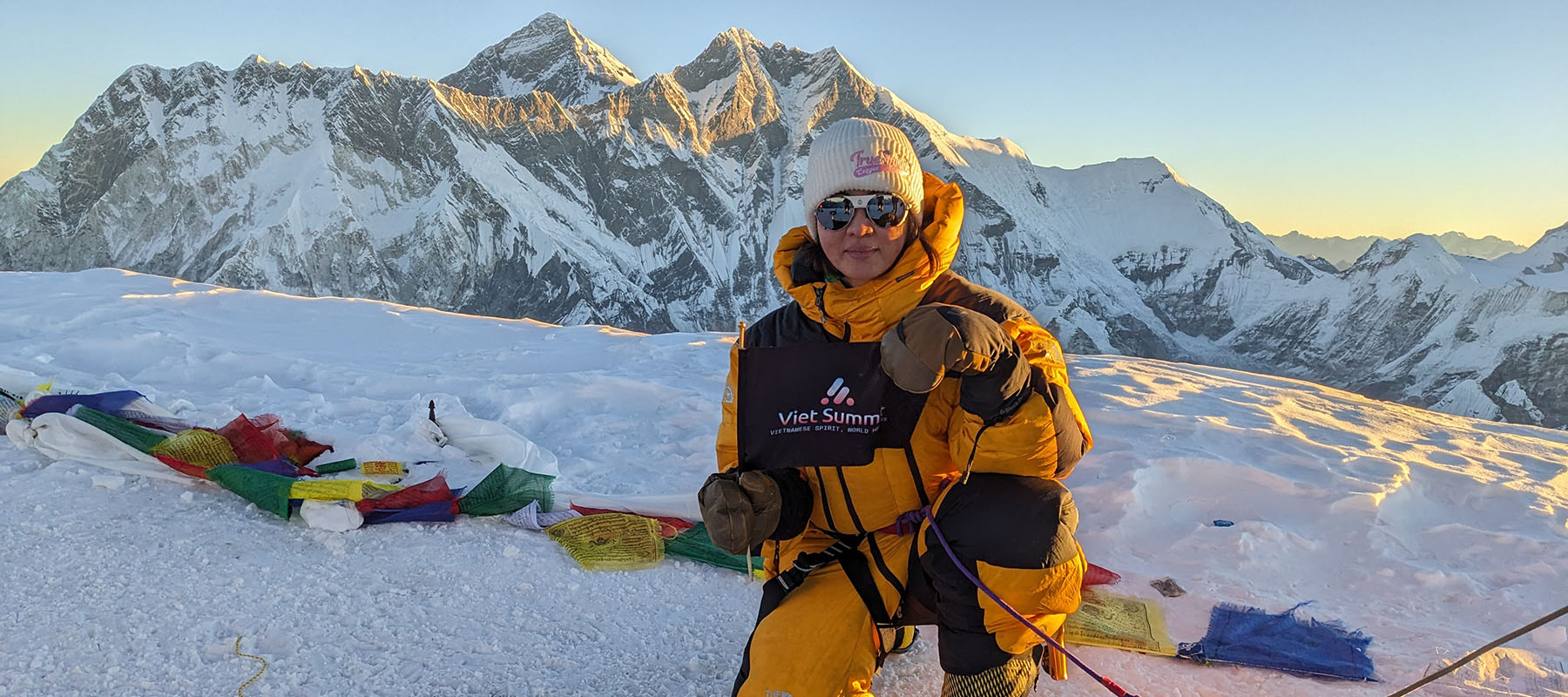
The ascent of Island Peak (6,189m) serves as our "prologue," but don't let the name fool you—it is a formidable challenge in its own right. Crossing the snout of the Imja Glacier and navigating the steep snow slopes leading to the summit ridge offers a visceral thrill that few other peaks can match. Standing on that summit, with the massive south face of Lhotse looming directly overhead, you’ll gain more than just a view; you’ll gain the technical confidence and red-blood-cell count necessary for the main event. It is here, looking across the valley at the "Mother’s Charm," that the true scale of your ambition begins to sink in.
Once we descend from Island Peak, our focus shifts entirely to the "Queen of the Himalayas." Ama Dablam (6,812m) is widely considered the most beautiful mountain in the world, and climbing it is a rite of passage for any serious alpinist. Our base camp is a lush, grassy oasis that feels like a sanctuary before the verticality begins. Unlike the sprawling massifs of its neighbors, Ama Dablam is a mountain of pure aesthetics—sharp lines, hanging glaciers, and exposed ridges that require a harmonious blend of physical grit and mental focus. On this mountain, every step is earned, and every view is a masterpiece.
The climb itself is a technical symphony, primarily following the legendary Southwest Ridge. You will find yourself dancing over granite slabs at Yellow Tower and navigating the airy, crystalline Mushroom Ridge. There is a specific kind of magic found in the exposure here; as you clip into the fixed lines, the world falls away beneath your boots, leaving only you, the rock, and the sky. Our expert Sherpa team, who treat this mountain as their own home, ensures that while the climbing is rigorous, your safety and support system are world-class, allowing you to focus entirely on the movement and the moment.
Reaching the summit of Ama Dablam is an emotional crescendo that stays with you for a lifetime. From the top, the 360-degree panorama of Everest, Lhotse, and Makalu feels close enough to touch, providing a perspective that few humans ever witness. But the true reward of an Ama Dablam Expeditions journey isn't just the summit photo; it’s the camaraderie forged in the high camps, the shared tea in sub-zero temperatures, and the profound sense of self-discovery that comes from testing your limits against such a magnificent spire. You don't just climb Ama Dablam—you let it change you.
Day 1: Arrival in Kathmandu (1338m/4390ft)
Day 2: Free Day in Kathmandu: Sightseeing and Trip Preparation
Day 3: Fly Kathmandu to Lukla (2,860 m/9,384 ft) and trek to Phakding (2,610m/8,562ft): 9 km/3-4 hours
Day 4: Trek Phakding (2,610m/8,562ft) to Namche Bazaar (3,440 m/11,283 ft): 12 km/5-6 hours
Day 5: Acclimatization Day in Namche Bazaar (3,440 m/11,283 ft) – Hike to Everest View Hotel
Day 6: Trek from Namche Bazaar (3,440 m/11,283 ft) to Tengboche (3860m/12660ft), Duration: 5-6 hours
Day 7: Trek from Tengboche (3860m/12660ft) to Dingboche (4410m/14464ft), Duration: 5 hours
Day 8: Acclimatization Day at Dingboche (4,360m / 14,290ft): Hike to Nagarjun Hill
Day 9: Trek from Dingboche (4,360m / 14,290ft) to Chhukung (4735m / 15,535ft) 3 Hours
Day 10: Trek from Chhukung (4735m / 15,535ft) to Island Peak Base Camp (5,200m / 17,050ft)
Day 11: Summit Island Peak (6,189 m/20,305 ft) and return to Chhukung (4735m / 15,535ft)
Day 12: Contingency Day in Case of Bad Weather Conditions
Day 13: Trek from Chhukung (4,730m /15,518ft) to Ama Dablam Base Camp (4,600m/15,100 ft)
Day 14: Rest Day and Worshipping Ceremony at Ama Dablam Base Camp (4,570m/14,994ft)
Day 15: Ama Dablam Base Camp (4,600m/15,100 ft) to Camp I (5,700m/18,700ft)
Day 16: Climb Camp I (5,700m/18,700ft) Camp II (6,000m/19,685ft)
Day 17: Summit Back to Camp II (6,000m/19,685ft)
Day 18: Contingency Day in Case of Bad Weather Conditions
Day 19: Contingency Day in Case of Bad Weather Conditions
Day 20: Descend Ama Dablam Camp II (6,000m/19,685ft) to Base Camp (4,600m/15,100 ft)
Day 21: Trek Ama Dablam Base Camp (4,600m/15,100 ft) to Namche Bazaar (3,440 m/11,283 ft)
Day 22: Trek Namche Bazaar (3,440 m/11,283 ft) to Lukla (2,860 m/9,384 ft)
Day 23: Fly Lukla (2,860 m/9,384 ft) to Kathmandu (1,338m/4,390ft)
Day 24: Rest Day at Kathmandu (1,338m/4,390ft)
Day 25: International Flight (Final Departure)
Transportation
Accommodation and Food
Staff
Permits and Taxes
Additional
Technical equipment provided: fixed ropes, carabiners, high-altitude tents. Personal gear checklist (rentals available):
Technical Climbing Equipment
Footwear
Clothing & Layering
Lightweight liner gloves
Bags & Storage
Sleeping & Camping
Hydration & Food
Electronics
Personal Medical & Safety
Documents & Essentials
Most Important for Ama Dablam with Island Peak Climbing
The most critical items include high-altitude boots, crampons, harness, helmet, ice axe, ascender, descender, technical gloves, glacier glasses, goggles, down suit, expedition parka, sleeping bag and reliable climbing layers.
Note: Equipment supplied by the expedition company can vary. Confirm which technical and group equipment is provided before purchasing or renting your gear.
The Ama Dablam with Island Peak Climbing expedition is a 25-day dual-peak Himalayan adventure combining Island Peak (6,189 m / 20,305 ft) with Ama Dablam (6,812 m / 22,349 ft) in Nepal's Khumbu region. The itinerary begins with trekking and acclimatization through Namche Bazaar, Tengboche, Dingboche, and Chhukung before climbing Island Peak. Afterward, climbers continue to Ama Dablam Base Camp and prepare for the more technical Ama Dablam summit.
The expedition is graded Difficult and combines high-altitude trekking with technical mountaineering. Island Peak involves glacier terrain, steep snow and climbing sections, while Ama Dablam requires movement on technical rock, snow and ice terrain with fixed-rope climbing. Climbers should have appropriate physical conditioning, high-altitude experience, and familiarity with essential mountaineering techniques and equipment.
Climbing Island Peak before Ama Dablam creates a progressive expedition structure. Island Peak reaches 6,189 m, providing experience with high-altitude conditions and technical climbing before the Ama Dablam phase. The itinerary includes the Island Peak summit on Day 11, a contingency day, and then progression toward Ama Dablam Base Camp, followed by climbing through Camp I at 5,700 m and Camp II at 6,000 m. This progression can help climbers gain additional experience before the Ama Dablam summit attempt, although it does not replace the experience and skills required for Ama Dablam.
The complete Ama Dablam with Island Peak Climbing expedition takes 25 days. The itinerary includes Kathmandu preparation, the Lukla flight, trekking and acclimatization in the Khumbu, Island Peak Base Camp and summit, contingency time, the approach to Ama Dablam Base Camp, climbing through higher camps, the Ama Dablam summit attempt, descent, and return to Kathmandu. Multiple contingency days are incorporated for potential bad weather during the climbing phases.
The expedition is scheduled for spring and autumn, which are the seasons listed on the official expedition page. The actual climbing and summit schedule remains dependent on weather, mountain conditions, route safety, and the climber's acclimatization. The itinerary therefore includes dedicated contingency days to provide flexibility when weather conditions affect summit plans.